What is Off-Grid Living?
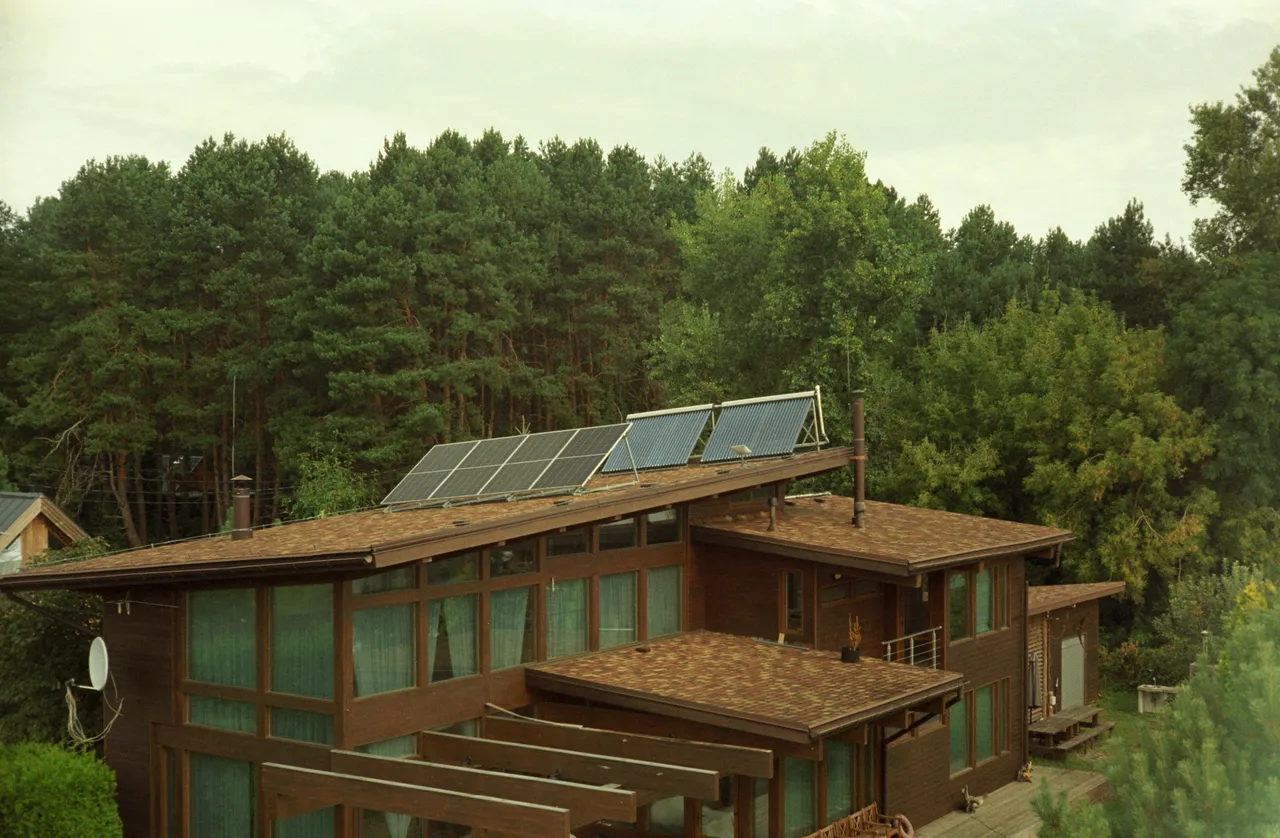
Dreaming of a life powered by the sun and independent from the grid? You're not alone. Off-grid living is a growing movement driven by a desire for sustainability, self-reliance, and a closer connection with nature. This guide provides an introduction to the concept, benefits, and challenges of living off the grid, and explores why more people are choosing this lifestyle.
What Does Off-Grid Living Mean?
Off-grid living refers to a lifestyle that is independent of public utilities and infrastructure. At its core, living off the grid means creating self-sufficient systems for power, water, food, and waste management rather than relying on municipal services.
While the term "off-grid" originally referred specifically to not being connected to the electrical power grid, it has evolved to encompass a broader philosophy of self-sufficiency and reduced dependence on external systems.
Key Elements of Off-Grid Living:
- Energy Independence: Generating your own power through solar, wind, micro-hydro, or other renewable sources ensures you're not reliant on the public electricity grid.
- Water Self-Sufficiency: Collecting, storing, and treating your own water supplyprovides independence from municipal water systems.
- Food Production: Growing, raising, foraging, or hunting a significant portion of your food reduces reliance on traditional grocery supply chains.
- Waste Management: Handling waste through composting toilets, greywater systems, and other sustainable methods minimizes the need for public sewage systems.
- Reduced Consumption: Living with less and being mindful of resource usageis a core principle of self-sufficient living.
It's important to note that off-grid living exists on a spectrum. Some people may be completely independent of all external systems, while others might focus on energy independence while still maintaining some connections to other services.
Benefits of Off-Grid Living
The growing interest in off-grid living stems from the numerous benefits it offers, from environmental impact to personal freedom. Here are some of the key advantages:
- Reduced carbon footprint through renewable energy
- Lower resource consumption and waste production
- Sustainable water usage practices
- Preservation of natural habitats (in rural settings)
- Opportunity for regenerative land management
- Elimination of utility bills after initial investment
- Reduced cost of living over time
- Protection from rising energy and water costs
- Potential for lower property taxes in rural areas
- Savings from growing your own food
- Greater self-sufficiency and resilience
- Freedom from dependence on external systems
- Connection with natural cycles and seasons
- Development of practical skills
- Simpler, less consumption-focused lifestyle
- Increased problem-solving abilities
- Greater awareness of resource consumption
- Deeper connection with natural environment
- Sense of accomplishment and self-reliance
- Community building with like-minded individuals
Many people who transition to off-grid living report a greater sense of purpose, reduced stress, and improved quality of life. The direct connection between daily actions and their consequences creates a more mindful approach to living.
Types of Off-Grid Living
Off-grid living comes in many forms, allowing people to choose an approach that aligns with their goals, resources, and circumstances:
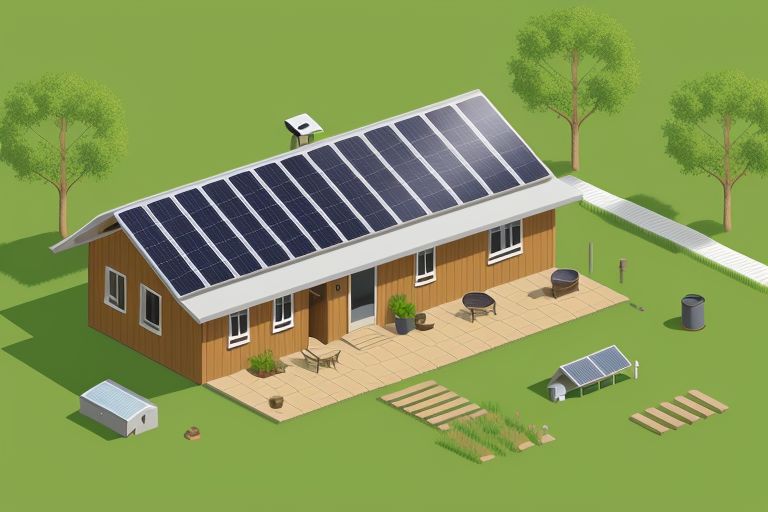
Rural Homestead
The classic vision of off-grid living involves a rural property with ample land for solar arrays, gardens, and other self-sufficiency systems.
Advantages:
- More space for systems and food production
- Fewer restrictions and regulations
- Access to natural resources
- Privacy and independence
Challenges:
- Higher initial land costs
- Isolation from services and community
- Transportation challenges
- More systems to maintain
Many people begin their off-grid journey with a hybrid approach, gradually increasing their self-sufficiency as they develop skills and systems. There's no single "right way" to live off-grid—the best approach is the one that aligns with your values, resources, and goals.
Challenges to Consider
While off-grid living offers many benefits, it's important to approach this lifestyle with a realistic understanding of the challenges involved.
Key Challenges Include:
- Initial investment costs for solar systems, water collection, and other infrastructure
- Technical knowledge required to maintain and troubleshoot systems
- Weather dependence affecting energy production
- Legal restrictions and zoning laws that may limit off-grid options
- Physical labor demands and ongoing maintenance requirements
Understanding these challenges is not meant to discourage you, but rather to help you prepare adequately. Many off-grid dwellers find that overcoming these challenges is part of what makes the lifestyle rewarding.
Resources & Next Steps
If you're interested in exploring off-grid living further, here are some resources and next steps to consider:
Continue with Our Getting Started Guide:
Recommended Tools:
Downloadable Resources:
Next
Key Considerations Before Going Off-Grid
8 min read · Beginner