Key Considerations Before Going Off-Grid
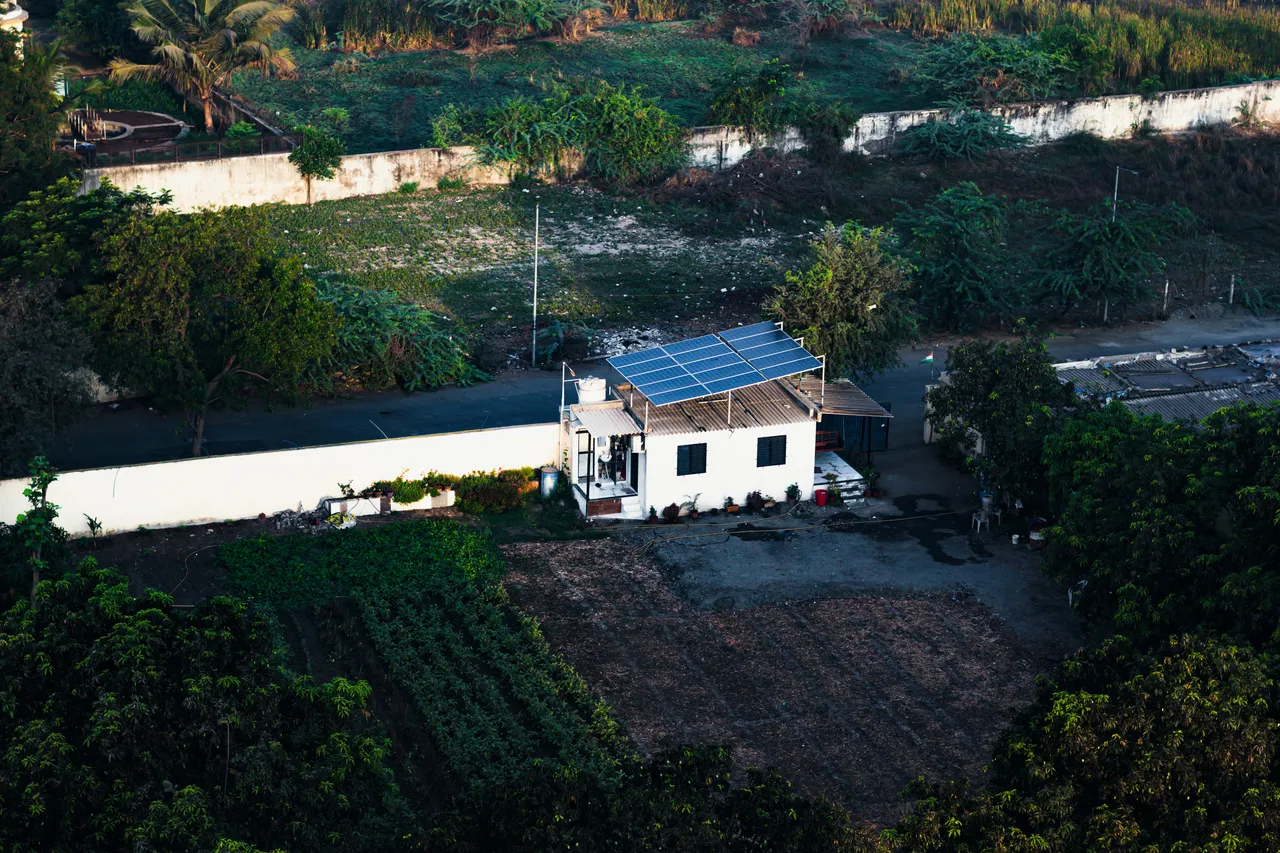
While the idea of off-grid living can be romantic, it's crucial to approach this lifestyle with careful planning and a realistic understanding of the challenges involved. Here are the key aspects you should thoroughly consider before making the leap to off-grid living.
"The most successful off-grid dwellers aren't those with the most money or the fanciest systems—they're the ones who've done their research, developed critical skills, and prepared mentally for the challenges ahead."
Generating and managing your own electricity is a foundational aspect of off-grid living. Consider various renewable energy sources and backup options.
Key Factors to Consider:
- •Solar power systems (panels, batteries, charge controllers)
- •Wind power as an alternative or supplementary source
- •Micro-hydro systems for properties with flowing water
- •Battery storage systems (LiFePO4 vs. lead-acid)
- •MPPT vs. PWM charge controllers for solar efficiency
- •Calculating your power needs before designing your system
- •Backup generators for periods of low renewable production
Access to clean water is essential. You'll need systems for collecting, storing, treating, and distributing water throughout your property.
Key Factors to Consider:
- •Water sourcing (wells, springs, rainwater harvesting)
- •Water storage solutions and capacity planning
- •Filtration and purification methods
- •Pumping systems (solar, manual, or gravity-fed)
- •Distribution piping and pressure considerations
- •Winter protection to prevent freezing
- •Water conservation practices
Handling waste without municipal sewage requires thoughtful systems that comply with local regulations while protecting the environment.
Key Factors to Consider:
- •Composting toilet systems and maintenance
- •Greywater systems for shower and laundry water
- •Kitchen waste water treatment (often classified as black water)
- •Local regulations and permits for waste systems
- •Septic systems if allowed and appropriate
- •Humanure composting techniques and considerations
- •Solid waste reduction and management
Your off-grid dwelling needs to be durable, energy-efficient, and suited to your local climate, whether you're building new or modifying existing structures.
Key Factors to Consider:
- •Housing options (cabins, tiny houses, earthships, RVs)
- •Building codes and permit requirements
- •Energy-efficient design principles
- •Insulation and weatherproofing
- •Passive solar design considerations
- •DIY vs. professional construction
- •Sustainable and locally-sourced building materials
Your property's location will determine many aspects of your off-grid lifestyle, from climate considerations to legal restrictions.
Key Factors to Consider:
- •Climate considerations for energy production
- •Soil quality for growing food
- •Water availability and rights
- •Access to property (roads, maintenance)
- •Zoning regulations and building restrictions
- •Property taxes and other ongoing costs
- •Distance to essential services and supplies
Off-grid living often involves producing your own food, learning new skills, and adapting to a different way of life.
Key Factors to Consider:
- •Food production and gardening techniques
- •Food preservation and storage
- •Alternative cooking methods
- •Essential tools and equipment
- •Skill development (carpentry, plumbing, electrical)
- •Maintaining work-life balance
- •Mental preparation for lifestyle changes
Weather conditions will affect your systems and comfort. Planning for seasonal changes and extreme weather is essential.
Key Factors to Consider:
- •Heating solutions (wood stoves, solar thermal)
- •Cooling strategies without traditional AC
- •Snow management in cold climates
- •Wildfire preparation in dry regions
- •Refrigeration options (propane, DC, solar)
- •Weatherproofing your structures and systems
- •Seasonal adaptations to living patterns
While some seek solitude, the challenges of isolation should be considered, along with the benefits of community connections.
Key Factors to Consider:
- •Building relationships with nearby neighbors
- •Finding or creating community support networks
- •Communication options in remote areas
- •Managing isolation and mental health
- •Sharing resources and knowledge
- •Emergency support systems
- •Balancing privacy with social needs
Navigating regulations, proving residency, and handling other logistical aspects of off-grid living require research and planning.
Key Factors to Consider:
- •Understanding local building codes and restrictions
- •Permits for structures, wells, and waste systems
- •Proving residency without utility bills
- •Mail service and physical address considerations
- •Insurance options for off-grid properties
- •Legal residence requirements for services
- •Documentation and record-keeping
While off-grid living can reduce long-term costs, the initial investment and ongoing expenses need careful planning.
Key Factors to Consider:
- •Initial setup costs for power, water, and shelter
- •Budgeting for maintenance and replacements
- •Income sources while living off-grid
- •Potential for reduced living expenses
- •Emergency fund importance
- •Cost-benefit analysis of different systems
- •Financing options for off-grid setups
Generating and managing your own electricity is a foundational aspect of off-grid living. Consider various renewable energy sources and backup options.
Key Factors:
- •Solar power systems (panels, batteries, charge controllers)
- •Wind power as an alternative or supplementary source
- •Micro-hydro systems for properties with flowing water
- •Battery storage systems (LiFePO4 vs. lead-acid)
- •MPPT vs. PWM charge controllers for solar efficiency
- •Calculating your power needs before designing your system
- •Backup generators for periods of low renewable production
Try the Daily Water Usage Calculator
Water systems are high-complexity from day one. Before designing your water infrastructure, calculate your household's actual daily demand — drinking, hygiene, cooking, laundry, and livestock.
Ready to Plan Your Off-Grid Journey?
Thoroughly evaluating these key considerations will help you determine if off-grid living is the right choice for you and allow you to plan effectively for a successful transition. Remember that everyone's off-grid journey is unique—what matters most is finding the approaches that work for your specific needs, location, and goals.